- Grey Whiskers Senior Dog Digest
- Posts
- Why Letting Foster Pets Go Is a Win
Why Letting Foster Pets Go Is a Win
...not a loss

Angela Dinsmoor
March 14, 2026
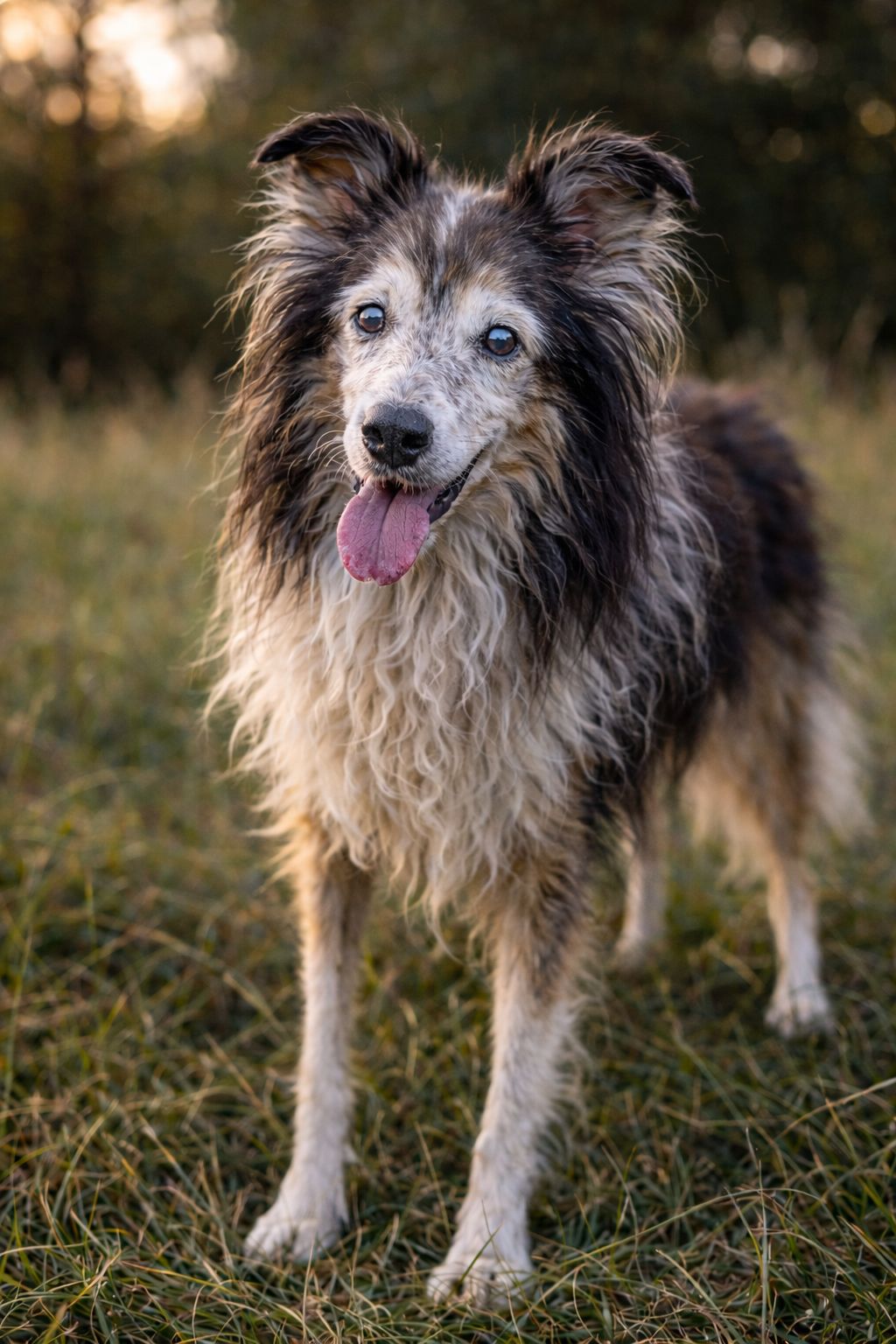

In this week’s issue, here’s what we are sniffing out
Why the rescue system is quietly running out of foster homes
The truth that shouldn’t be uncomfortable: letting a foster dog go is the goal
Why keeping every foster would actually break the adoption pipeline
The rescue math most people don’t understand
The Foster Dog’s Job Is to Leave
There’s a moment almost every foster family experiences. The dog has settled in. They know the routine. They sleep next to the couch. Maybe they follow you into the kitchen every morning for a toast crumb hunt.
And then someone applies to adopt them. Suddenly, the internet chimes in with a familiar chorus:
“How could you give them up?”
“That’s cruel, you shouldn’t move him again, he’s happy!”
“I’d just keep them all.”
It sounds compassionate. But it’s based on a misunderstanding of how rescue actually works. The foster family’s job is not to keep everyone. It’s to help them safely through the system to find their forever home.
Because when one dog leaves, another dog gets saved.
Why Fosters Matter Right Now
Rescue organizations across the U.S. are stretched thin. Shelters are full. Owner surrenders are rising. Veterinary costs are climbing. And many rescues rely almost entirely on foster homes instead of kennel space.
When foster families disappear, the math gets brutal very quickly. No foster home = no space to pull a dog from a shelter.
That means dogs stay in overcrowded environments longer - or never make it out at all.
This is why so many rescues are constantly asking for fosters. Not because they necessarily want more dogs in homes, but because it’s the only way they can keep saving others.
The Misunderstood Part of Fostering
There’s a cultural narrative that fostering ends one of two ways:
The dog goes to a forever home
The foster “fails” and keeps the dog
The phrase “foster fail” is meant affectionately. But it accidentally reinforces the idea that the best outcome is keeping the dog. It isn’t.
The best outcome is a successful adoption.
Senior dog rescue advocate Adrian Lott - who many of you know from her Instagram account @AdoptOldDogs and the Adrian Likes Old Dogs newsletter - talks about this often: rescue only works when fosters view themselves as temporary guardians, not the final destination.
The goal is to help the dog decompress, learn routines, and become more visible to adopters.
Then step aside so the next dog can come through.
The Emotional Math of Fostering
This is the part people don’t talk about enough. Yes, letting a foster go is emotional. But the alternative isn’t neutral. If a foster family keeps every dog they take in, they eventually stop fostering. That means fewer dogs move through the system.
Isabel Klee - rescue and foster advocate known online as @simonsits and a long-time foster with Muddy Paws Rescue - has spoken about this reality many times.
Fostering isn’t about collecting dogs. It’s about moving them through the system safely. One foster home over time might help 5 dogs, 20 dogs, or sometimes dozens.
But that only happens if the dogs leave.
What Fosters Actually Do
People often assume fostering is just “housing a dog.” It’s much more than that.
A good foster home:
Helps a dog decompress from shelter stress
Observes behavior and personality
Learns what kind of home will fit best
Often starts basic training or confidence building
Shares photos and updates that help adopters connect
Fosters are essentially the translation layer between the dog and the adopter. Without that information, adoption becomes guesswork.
A Special Note About Senior Dog Fosters
Senior dogs especially depend on foster homes. Shelters are overwhelming places for older dogs. Medical needs often make them harder to place quickly. And many adopters need reassurance that a senior dog can still fit beautifully into a home.
A foster home can prove that. They show the world:
this dog sleeps through the night
loves movie night
ignores the cat
enjoys short walks and a sunny nap
That story changes everything for an adopter. And for an old dog.
If You’ve Ever Thought About Fostering
You don’t have to be a professional dog person. The best part is you have support the whole way.
Most rescues provide:
veterinary care
supplies
behavioral support
adoption coordination
What they need is the one thing shelters can’t manufacture: a normal home.
And when the right adopter shows up, your job is to smile, cry a little (or a lot), and send that dog on.
Then open the door for the next one.
That’s not failure.
That’s the system working exactly the way it’s supposed to.
🐶 Sniffing Out Senior Dog News 📰
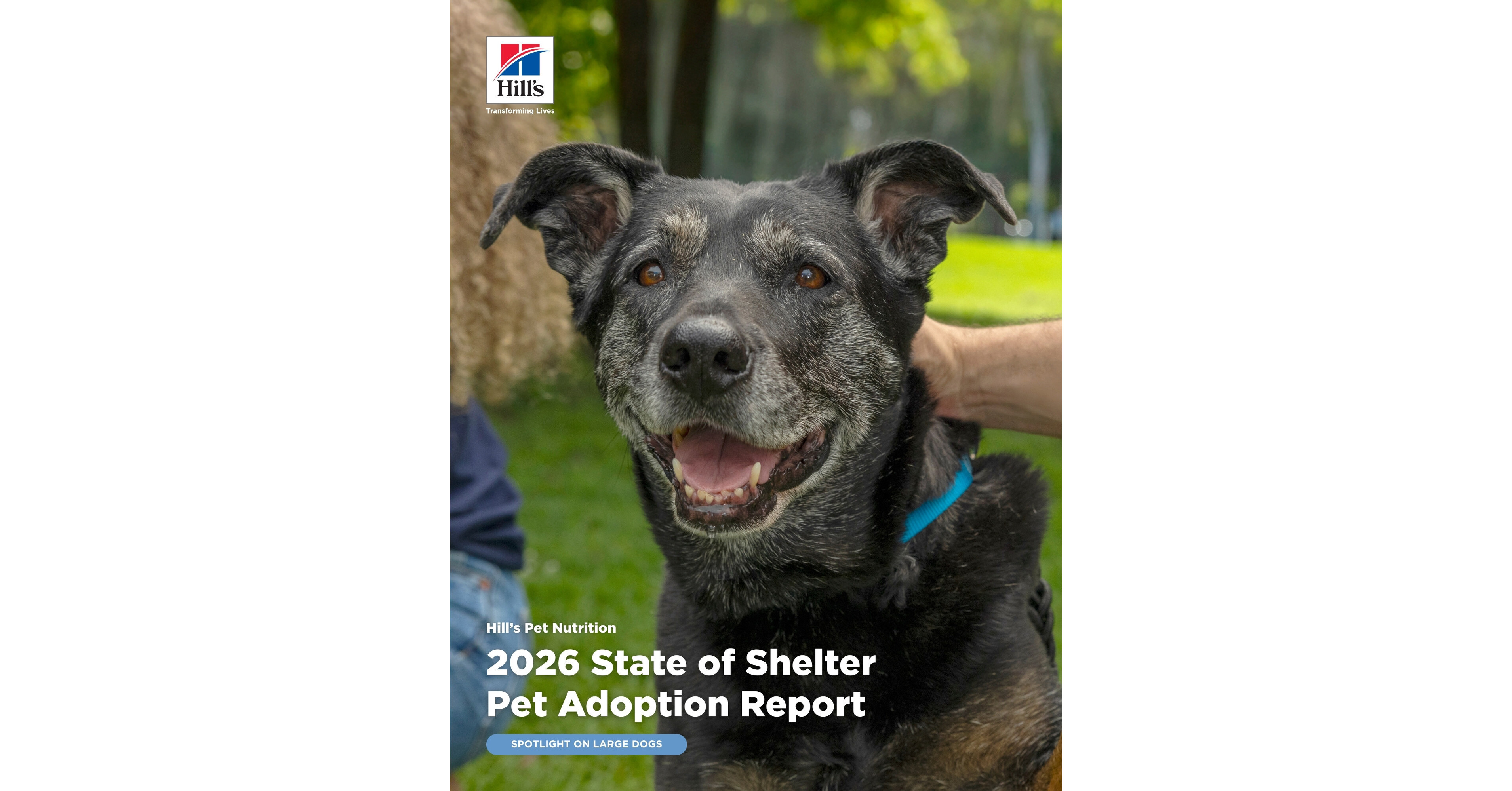
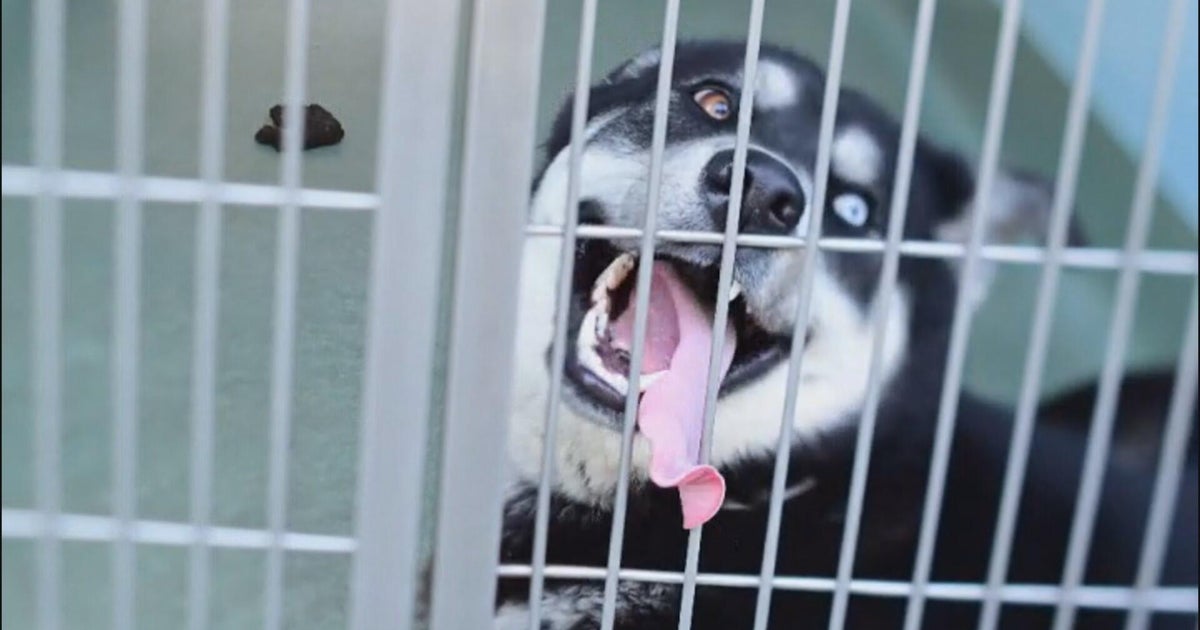
Senior Dog Meme of the Week