- Grey Whiskers Senior Dog Digest
- Posts
- Joint Supplements Are Not Pain Control
Joint Supplements Are Not Pain Control
Sometimes you need another option...

Angela Dinsmoor
February 21, 2026


In this week’s issue, here’s what we are sniffing out
A myth-busting guide for when your senior dog is actually hurting
Here’s a pattern I see all the time: a dog starts moving like something hurts - limping, slowing down, hesitating on stairs - and the first plan of attack is a joint supplement. Or two. Or a stack of powders and chews.
I understand why. Supplements feel safe. The label language (“mobility,” “comfort,” “joint support”) practically promises improvement.
But:
Pain is a medical problem, not a supplement solution.
If you’re seeing signs of pain, supplements may no longer be enough. That’s how painful dogs stay painful for too long.
It is:
How to recognize when you’ve moved past prevention
What to track
How to talk to your vet clearly
It is not:
A diagnosis
A prescription
A supplement-bashing piece
We use supplements consistently in our house - for prevention. We also use pain medication when it’s needed.
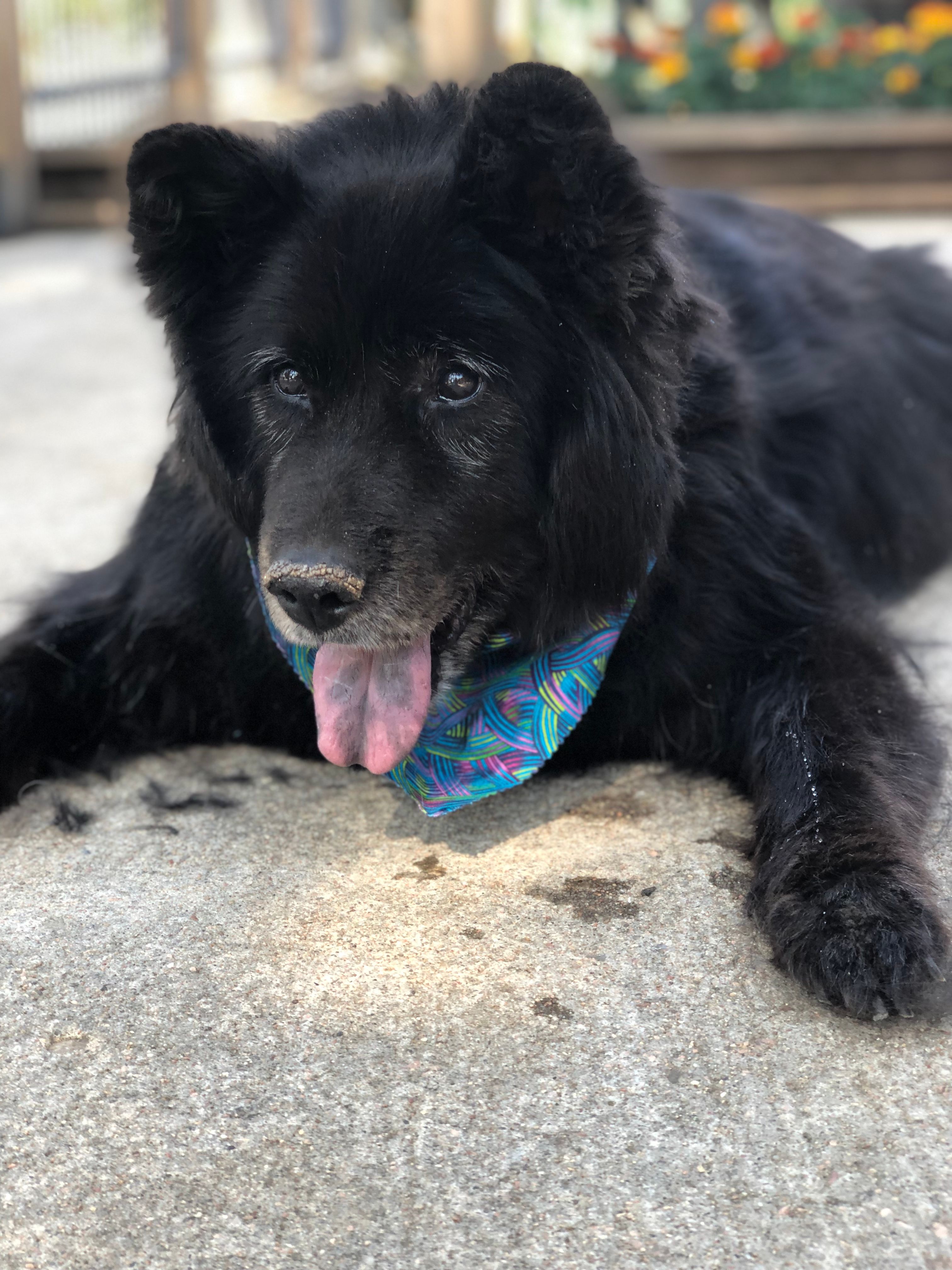
Mombo’s hips gave him some trouble later in life
Myth #1: “Joint supplements will reduce pain.”
Reality: They are not reliable pain control.
Glucosamine, for example, has had a long run as the “gold standard.” But the evidence for glucosamine/chondroitin relieving osteoarthritis pain is weak. That’s why you can give it daily, buy a reputable brand, stay consistent, and still have a sore dog.
Practical takeaway:
If your dog is showing pain, supplements are a support tool at best. They are not a substitute for real pain assessment and treatment.
Myth #2: “Avoiding pain meds is safer.”
Reality: Untreated pain has a cost, too.
Under-treated pain often comes from fear:
“Pain meds are hard on organs.”
“Once we start, we can’t stop.”
“If he feels better, he’ll overdo it.”
“Natural is always better.”
I’m not here to push medications. But choosing not to use medication is still a medical decision - because your dog still lives with the outcome.
There’s a difference between being cautious and accidentally letting your dog hurt because you’re scared.
Your vet’s job is to help you weigh risk vs. benefit for your dog.
If you need language to start the conversation:
“I’m worried this is pain. I don’t want to guess. Can we talk about what pain looks like, what options exist, and how we’d monitor medication if we use it?”
Past Prevention: Signs It’s Time for a Pain Conversation
If you’re seeing these, you’re likely past “prevention-only” territory:
Disinterest in normal activities
Stiffness after rest
Hesitation with stairs, furniture, or the car
New snappiness, especially around touch or handling
Restlessness or frequent repositioning
This isn’t a diagnosis. It’s a signal: in most cases you can’t rely solely on a supplement for pain management.
Myth #3: “If it’s working, I’ll know.”
Reality: Without tracking, you really won’t.
Senior dogs have good days and bad. Weather, flooring, nail length, and activity levels all affect how they feel. A supplement can seem like it’s working when you’re just watching normal ups and downs.
If you do nothing else, do this:
The 3-Metric Tracker (10–14 days)
Score daily from 0–3 (0 = normal for your dog, 3 = clearly worse):
Getting up after rest
Hesitation with stairs/jumping
Evening restlessness/repositioning
Optional: Record one short weekly video of your dog getting up after a nap. Video makes vet visits far more productive.
Tracking turns “I think he’s worse” into patterns your vet can use.

Juelz is quite the beauty
Myth #4: “It has great reviews, so it’s legit.”
Reality: Quality and effectiveness are different questions.
Ask:
Is it made using basic quality standards?
Does the ingredient actually do what it claims?
The NASC Quality Seal can serve as a baseline quality filter. It does not prove effectiveness.
Be skeptical of:
Products promising 20 benefits
“Miracle” blends
“Clinically proven” with no specifics
Research the ingredients. Do they actually have any known ability to manage pain?
And if your dog is showing pain, the most important step isn’t finding a better supplement, it’s involving your vet.
Reality Check: Weight Matters
Extra weight turns stiffness into pain.
For overweight dogs with osteoarthritis, weight loss alone can significantly improve lameness. Not forever, but enough that it’s one of the best investments you can make in comfort.
Treats don’t equal love. Weight management does.
Prevention Basics (If Your Dog Is Not in Pain)
Supplements can complement:
Weight management
Regular nail trims
Trimmed paw pad fur
Traction support (rugs, runners, non-slip paths)
Daily, appropriate low-impact movement
But once pain is present, supplements shouldn’t be the entire plan.
If your dog is uncomfortable, the goal isn’t a better supplement.
The goal is comfort, function - a dog who can move and settle without fighting their own body.
🐶 Sniffing Out Senior Dog News 📰

Senior Dog Meme of the Week
